Rising costs of climate change
Last year, the nonprofit Climate Central launched an online database to track the most costly weather- and climate-related disasters across the country. The effort was led by the same lead scientist who tracked those costs for the National Oceanic and Atmospheric Administration—until the Trump administration axed the project in May.
In 2025, the US experienced 23 such disasters with costs totaling at least $1 billion, for a total of $115 billion, Climate Central concluded. From 1980 through 2025, the US has experienced 426 billion-dollar weather and climate disasters, for a total of more than $3.1 trillion in damages.
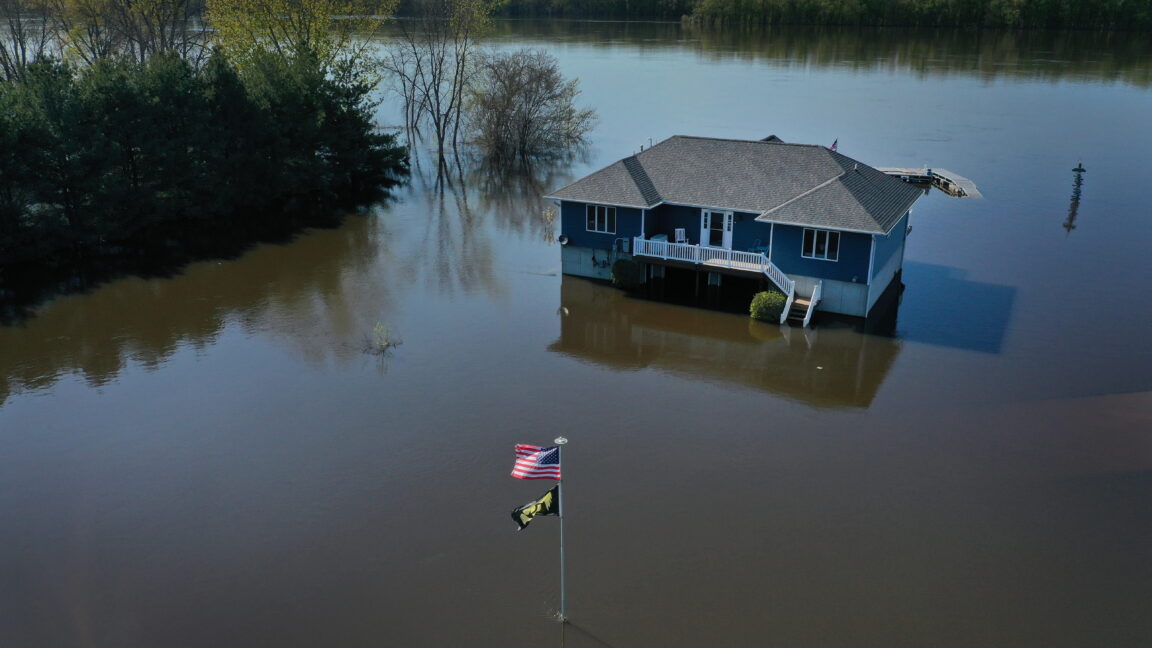
Meanwhile, home insurance rates are rising, and insurance companies are increasingly backing out of areas with high risks from hurricanes or wildfires. Researchers have also documented how climate change causes premature deaths and increasing health care costs as it fuels disease and other health problems.
Illinois is struggling with worsening flooding, heat waves, and air pollution—including from Canadian wildfires. All bring heavy costs.
State Sen. Graciela Guzmán, a Chicago Democrat who will introduce the superfund legislation in Illinois’ Senate, said the bill is a practical step to bring funding to local schools, families, and governments already struggling with these consequences.
“This bill is about setting a fairer standard for who pays when climate damage hits our towns and neighborhoods,” Guzmán wrote in an email.
Ramirez’s basement, in her home on the Southeast Side of Chicago, was flooded on and off with sewage water for a week last summer when her sewer line broke during a rainstorm that caused severe flash flooding throughout the city. Her home insurance wouldn’t cover the thousands of dollars it took to repair it, she said. She sees it as an example of what the effort to “make polluters pay” could address.
“This superfund climate bill would create revenue to fix the infrastructure and be able to combat all this bad stuff that’s happening,” she added.
In the past two years, Americans experienced a slew of devastating disasters, from Hurricanes Helene and Milton to the Los Angeles wildfires and Texas floods. Hundreds of thousands are reportedly still without power after a punishing winter storm made worse by global warming.
All of that contributes to growing momentum to make polluters pay, said DiPaola, of Fossil Free Media.
“People were looking at their insurance bills, they were looking at their utility bills, they were seeing the costs of climate damage and also everyday climate costs just really rising,” DiPaola said. “They wanted some accountability.”
This story originally appeared on Inside Climate News.