An interesting thing happened in the last few days. An open-source project called Clawdbot went viral across GitHub and X, capturing the imagination of developers and self-hosting enthusiasts everywhere.
The pitch was irresistible: a fully personal AI assistant that runs locally on your own hardware instead of Big Tech’s cloud centers. Exactly the kind of “local-first” approach our community has been championing for years. The tool connects to your messaging apps like WhatsApp and Telegram, handles your emails, manages your calendar, screens calls, and even books dinner reservations, all with minimal prompting.
But as hundreds of excited users rushed to spin up their own instances, security researchers started noticing something alarming: many of those servers were sitting wide open on the public internet, exposing API keys, chat histories, and in some cases, full command execution access to anyone who came looking.
It’s a fascinating case study in the gap between what AI makes possible and what it makes safe and it has some important lessons for all of us.
Here’s the highlight of this edition of FOSS Weekly:
- LLVM putting an AI policy in place.
- Essential Linux commands.
- cURL getting rid of its bug bounty program.
- An Android smartphone that can run Linux and Windows.
- And other Linux news, tips, and, of course, memes!
Table of Contents
📰 Linux and Open Source News
Here’s a summary of the news this week.
A new initiative called Open Quantum Design has set out to build an open source quantum computer, sharing its hardware and software freely so researchers and developers worldwide can learn, build, and improve quantum technology together.
Skip has gone fully open source, ditching subscriptions and paywalls to release its core tools on GitHub, letting developers build native iOS and Android apps using Swift while inviting the community to use, study, and improve the project freely.
LLVM recently updated their contribution rules to allow AI assisted code, but they do require human review, understanding, and accountability. Contributors are expected to disclose AI use and take responsibility for what they submit.
cURL’s bug bounty program is no more thanks to AI slop. Daniel Stenberg, the project’s creator, took this decision after they were inundated with seven HackerOne reports within a 16-hour period in a single week.
KDE’s Plasma Login Manager doesn’t support FreeBSD anymore.
Proton’s Lumo AI assistant seems to be getting along well.
🧠 What We’re Thinking About
When was the last time you were forced to use the terminal? Modern Linux desktop is something else nowadays.
Your favorite publications and websites are at risk of being replaced by AI slop. Your support matters now more than ever.
Choose It’s FOSS Plus membership and apart from supporting us, you get:
✅ 5 FREE eBooks on Linux, Docker and Bash
✅ Ad-free reading experience
✅ Badges in the comment section and forum
✅ To support creation of educational Linux materials
Join It’s FOSS Plus
🧮 Linux Tips, Tutorials, and Learnings
Graphite is an open source vector editor with a strong focus on procedural workflows. It is a convergent 2D editor that is yet to get a full public desktop release on Linux. We tried it, and it feels like it has potential.
It is a bit tricky to type the infinity symbol on Linux systems. But, it is possible.
Linux users can now run Affinity Designer through the AffinityOnLinux project. The AppImage installer makes setup simple, and performance holds up well for real work, even without official support from Canva.
And explore a list of essential Linux commands.
👷 AI, Homelab and Hardware Corner
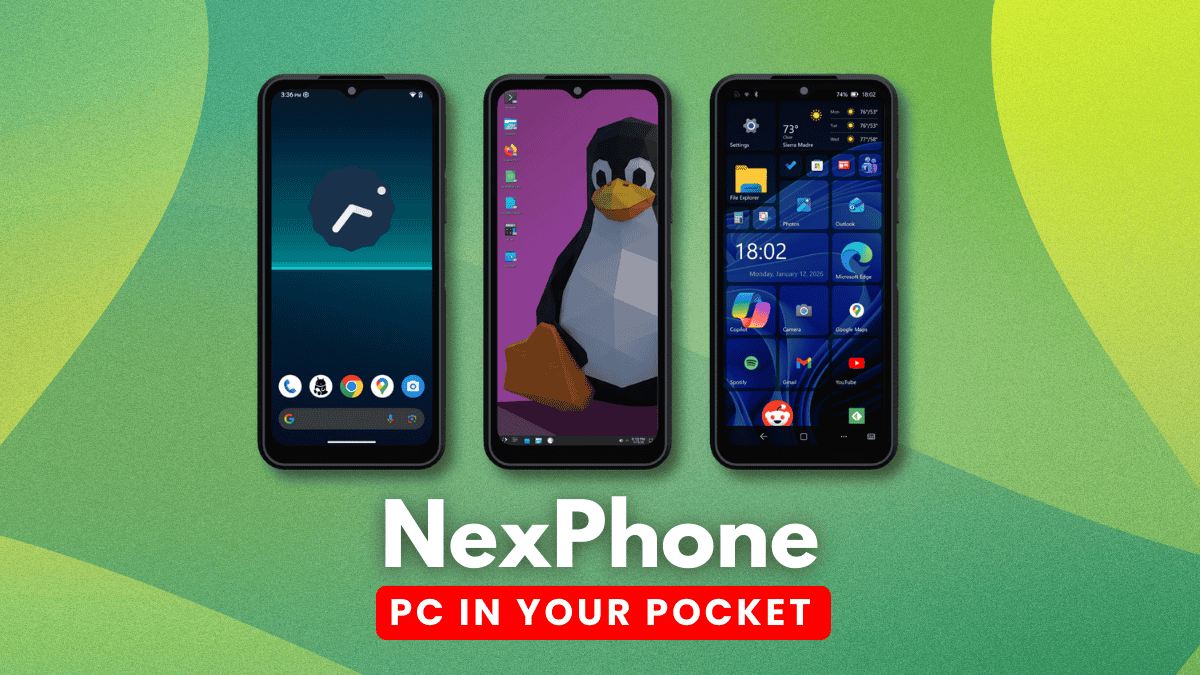
The NexPhone is finally happening after 14 years. This $549 rugged smartphone runs Android 16, launches Debian as an app, and dual boots Windows 11. You can reserve one right now, but it is set for a Q3 2026 release.
Espressif has launched the ESP32-E22, a radio co-processor that comes equipped with a custom dual-core RISC-V chip, tri-band Wi-Fi 6E, and Bluetooth 5.4. It handles wireless connectivity while the host processor runs apps. Engineering samples are available now.
✨ Apps and Projects Highlights
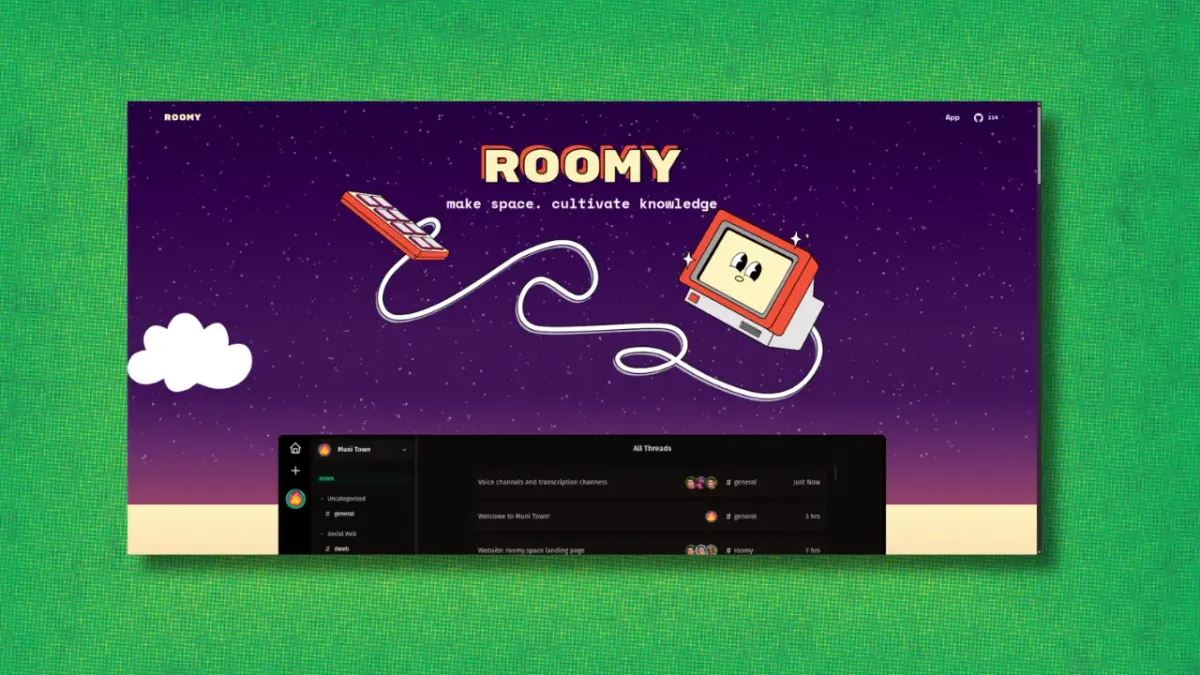
This is how a self-hosted Discord alternative looks like.
loss32 surprised us; we haven’t seen someone follow such a novel approach for creating a Linux distro.
📽️ Videos for You
Explore these GNOME extensions. Who knows you might get your next favorite in this video?
💡 Quick Handy Tip
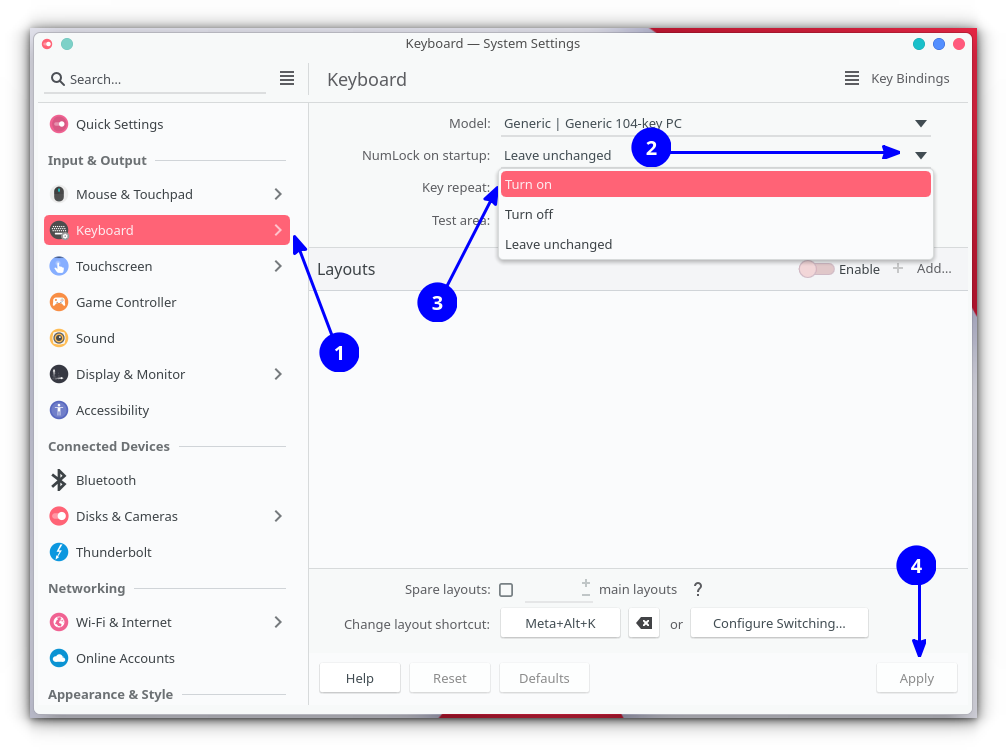
You can activate NumLock on system startup on KDE Plasma by going to System Settings → Input Devices → Keyboard → Keyboard and enabling the “NumLock on startup” option. Before you close the window, be sure to click the “Apply” button to confirm changes.
🎋 Fun in the FOSSverse
If you value your time, then surely you know these Linux commands?
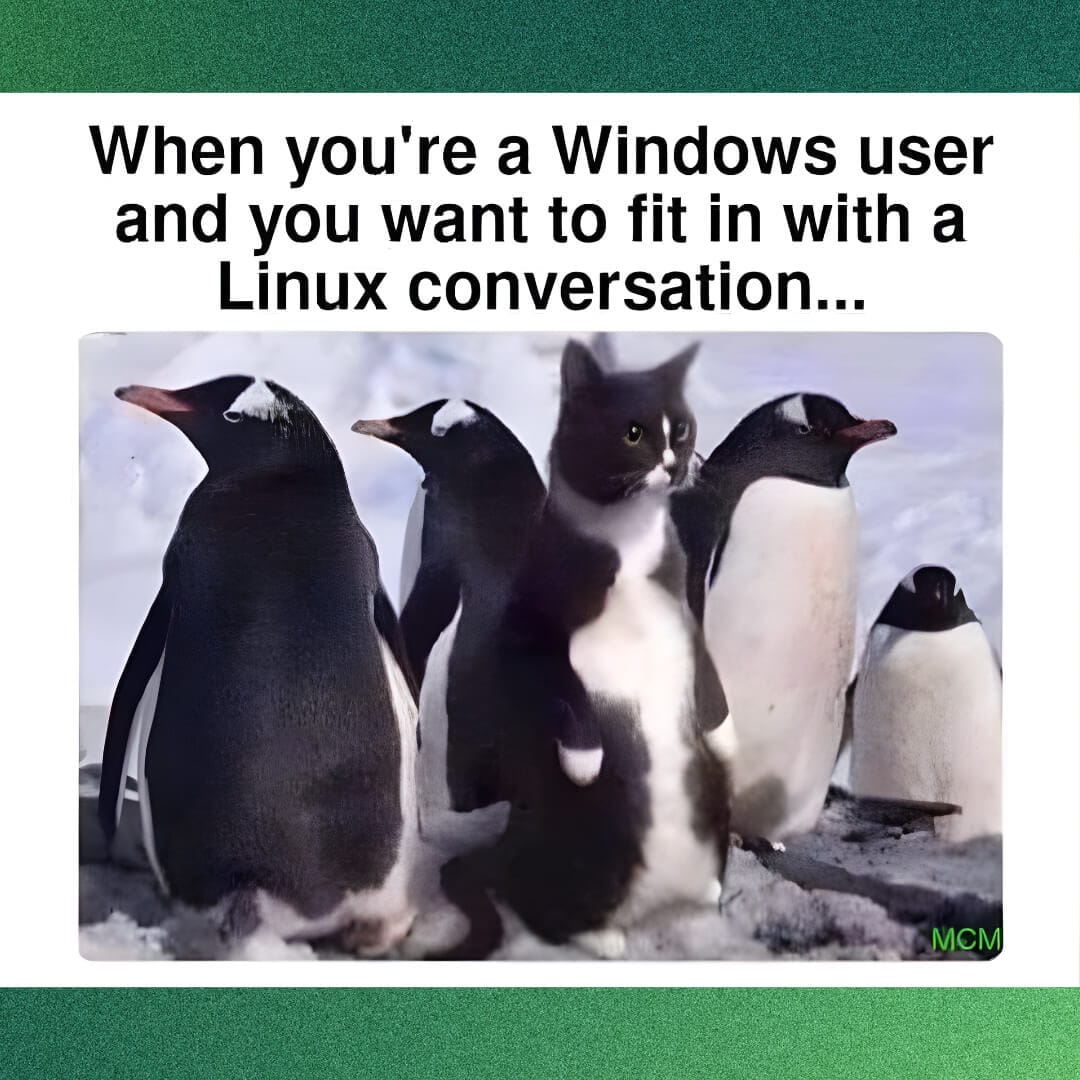
🤣 Meme of the Week: Hmm, I sense an impostor among these flippers. 🤨
🗓️ Tech Trivia: On January 27, 2010, Apple unveiled the first iPad, a sleek touchscreen tablet that redefined mobile computing and sparked the modern tablet boom.
🧑🤝🧑 From the Community: The Linux Mint 22.3 upgrade seems to be a good one, as FOSSers are talking about it in our forum.